
COP31 Antalya made one thing clear: electrification is the world’s consensus. Here’s what “35×35” means for microgrid and energy storage suppliers—and why West Africa is the market to watch.
COP31 2026, 35×35 electrification, global electrification pledge, microgrid West Africa, energy storage manufacturer, off-grid solar storage, Nigeria microgrid, climate finance
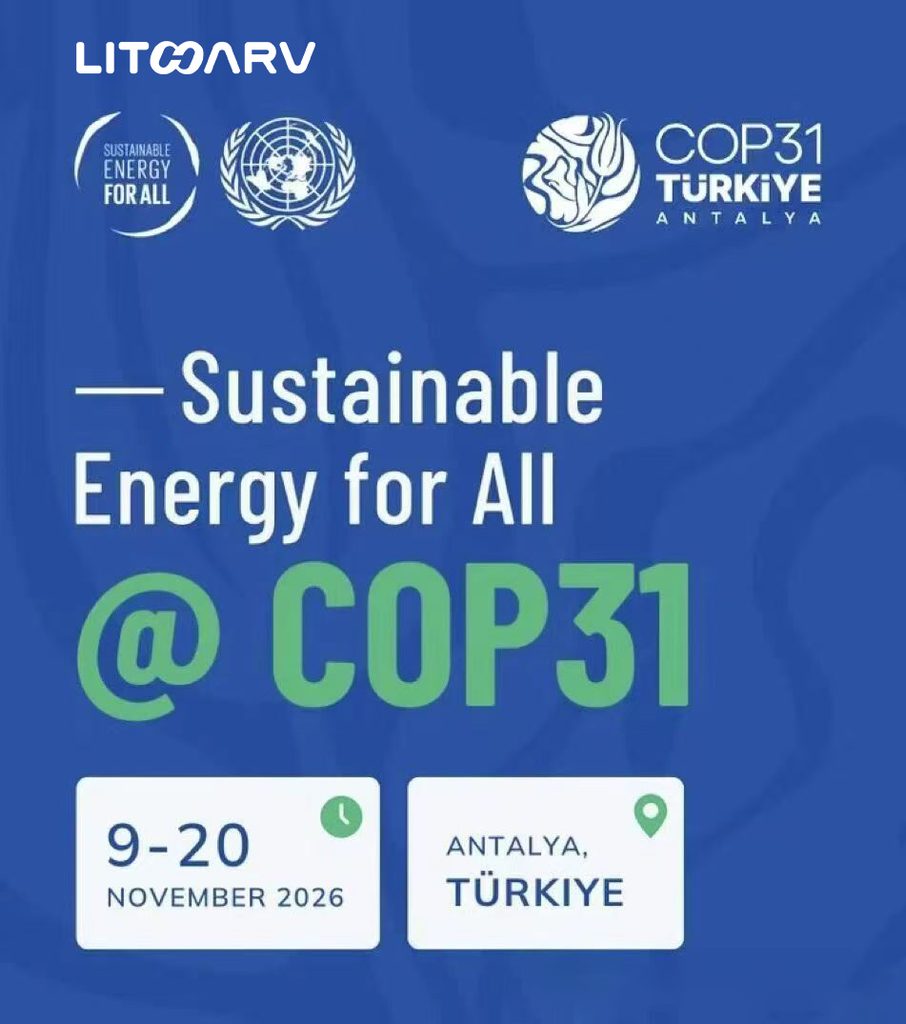
When COP31 opened in Antalya, Türkiye on November 9, 2026, the science was blunt: global temperatures for January–September ran about 1.47°C above pre-industrial levels, and ocean heat hit a record for the tenth consecutive year. For the first time, delegates said openly: this is the COP where we acknowledge the world will overshoot 1.5°C.
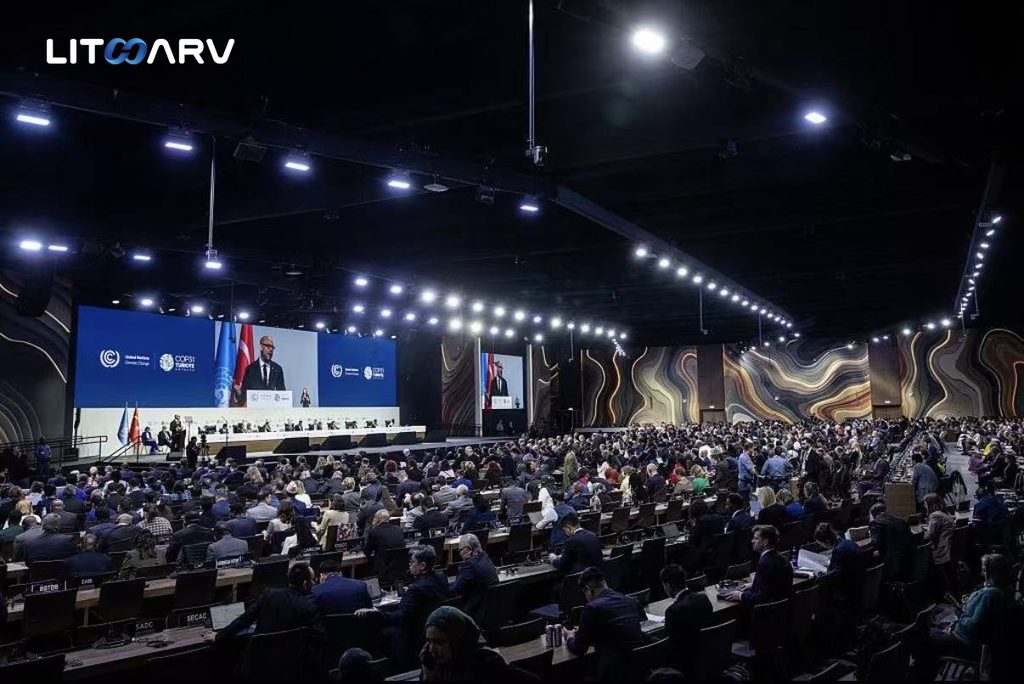
Acceptance changed everything. COP31’s ambition is captured on a screen in the plenary hall: “Our aim is to make COP31 an implementation COP.”
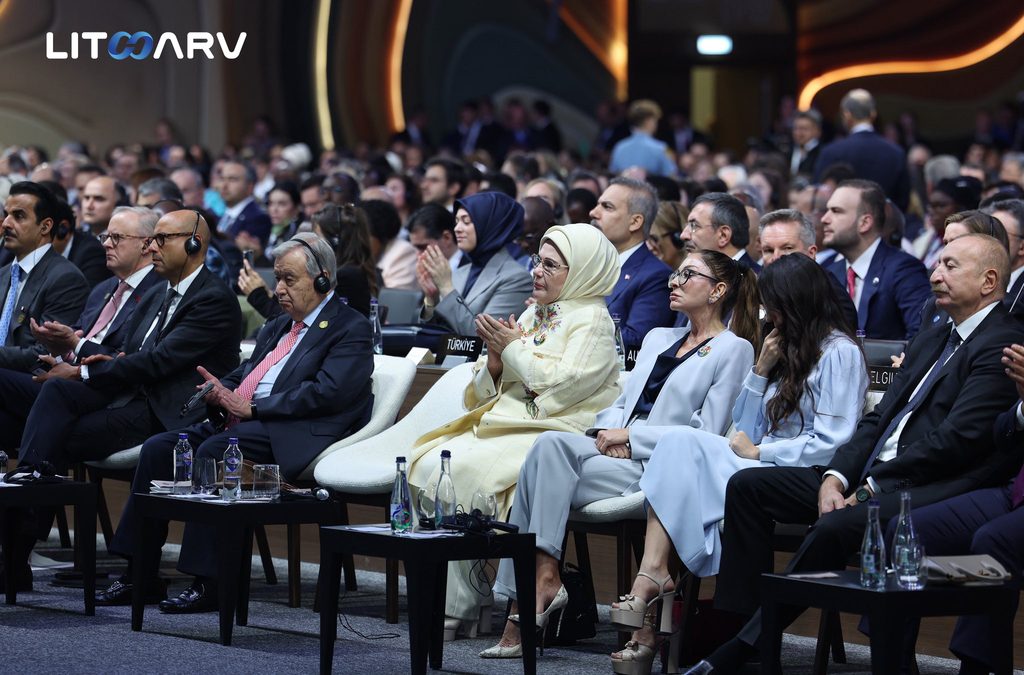
Three signals every energy company should read:
1. Electrification is the only unanimous agenda. The host-led “35×35” pledge targets raising electricity’s share of final energy consumption from ~23% today to 35% by 2035. Bloomberg Green’s summary: at COP31, “electrification is the one thing everyone can agree on.”
2. The bottleneck is the grid—and the money. Roughly 2,500 GW of generation projects are stuck in grid-connection queues. Finance is shifting from grants to guarantees, risk-sharing and project preparation (e.g., the Electrify Now alliance, backed by the World Bank).
3. China’s supply capacity is the reference point. China’s non-fossil power share target for 2030 is five years ahead of 35×35. By September 2026, China had installed 1.31 billion kW of solar and 167 GW of new-type energy storage. As former US Secretary of State John Kerry put it: “The only country that has dramatically accelerated is China.”
What this means for microgrids in West Africa
Where the grid cannot reach, solar-plus-storage microgrids are the fastest, most bankable answer. Demand is structural: clinics, irrigation, cold chain and small businesses all need reliable power; multilateral finance now favors localizable, verifiable, data-transparent projects.
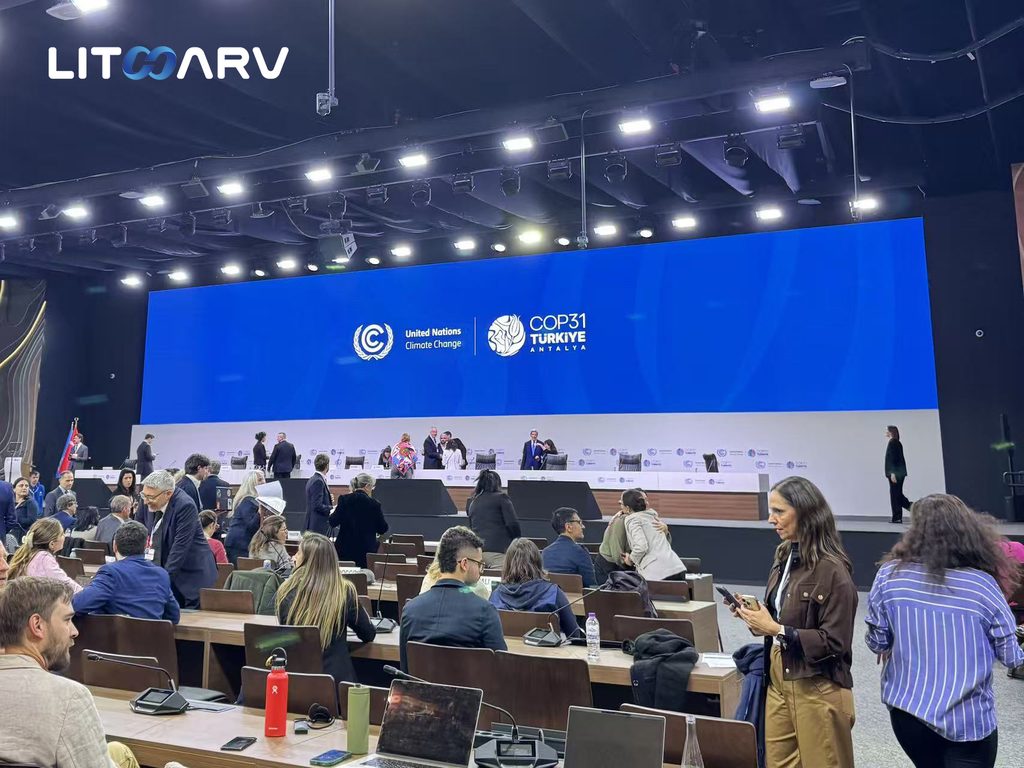
This is exactly where Shenzhen Litharv is investing—starting with Nigeria—delivering not just equipment, but financeable, bankable, locally supported energy systems.
The era of debate is over. The era of delivery has begun.


